Bud's Manx Restoration - Part Deux
Posted: Tue Oct 27, 2020 3:22 pm
<excerpt/edited from the Manx Mania - Summer 2020>
In the spring of 2004, my wife Sue and I made a life- changing decision to purchase a turn-key vintage Meyers Manx dune buggy and then join the Manx Club. It wasn’t long after the buggy arrived at our house that I began the planning process of how to rebuild it to “make it our own.” It would take us ten years to complete this plan.
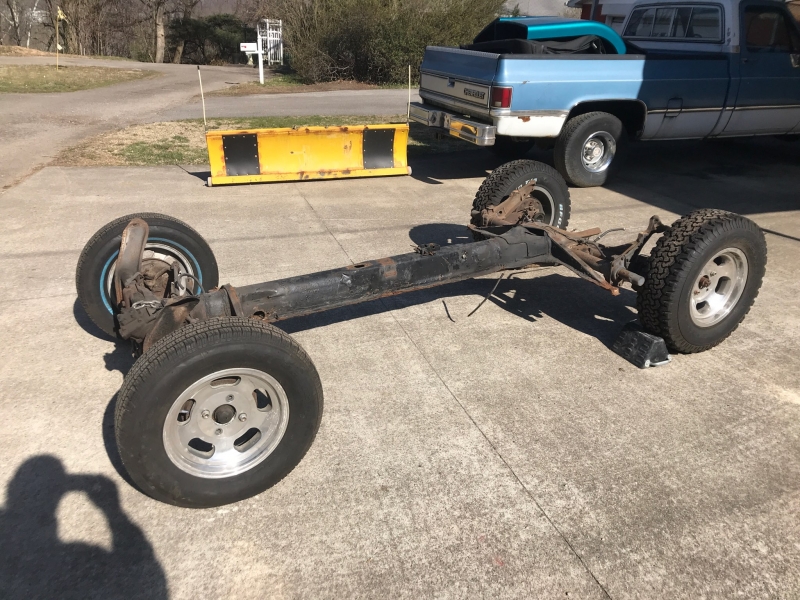
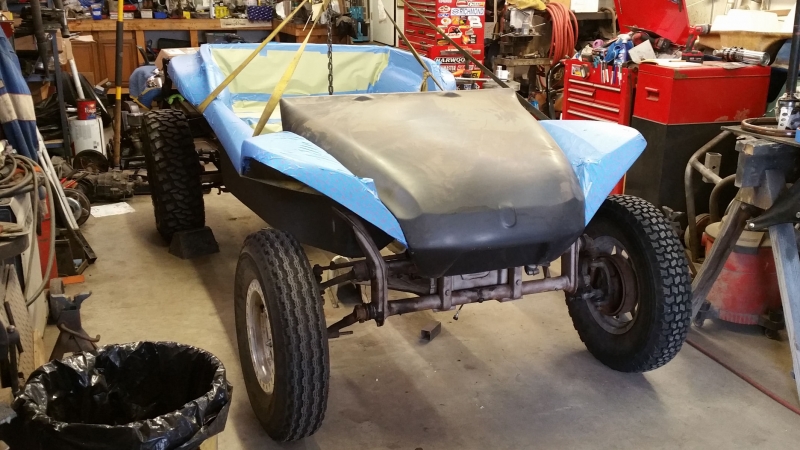
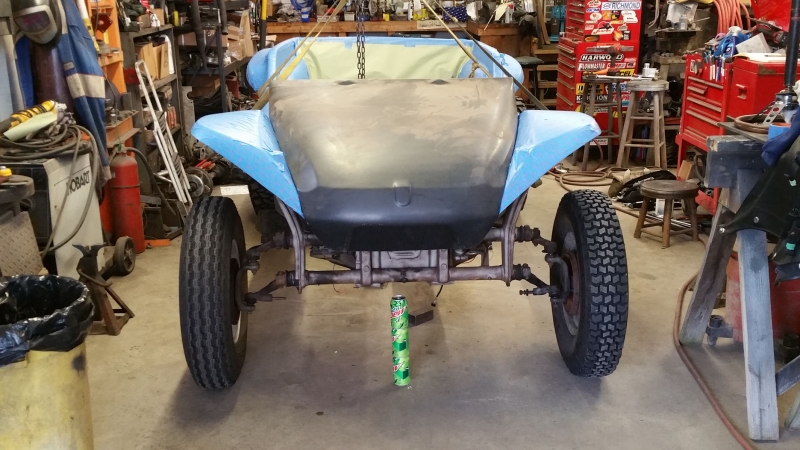
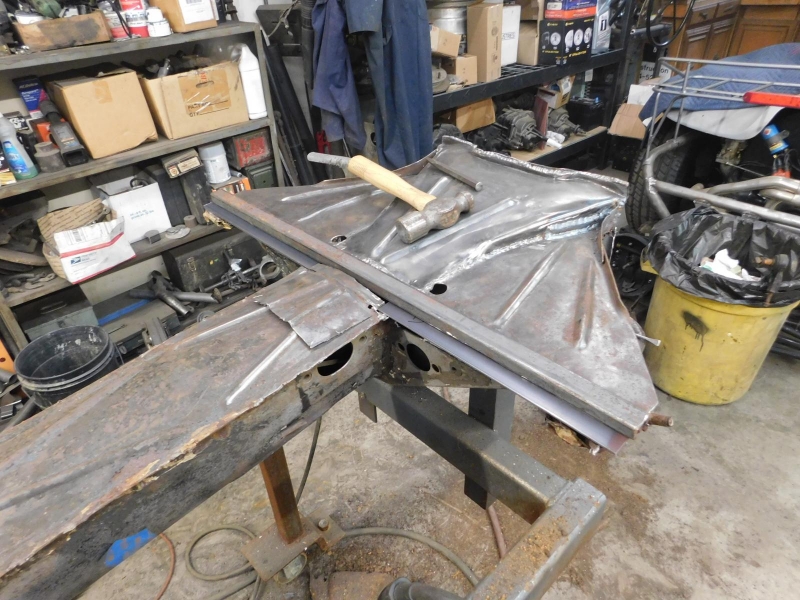
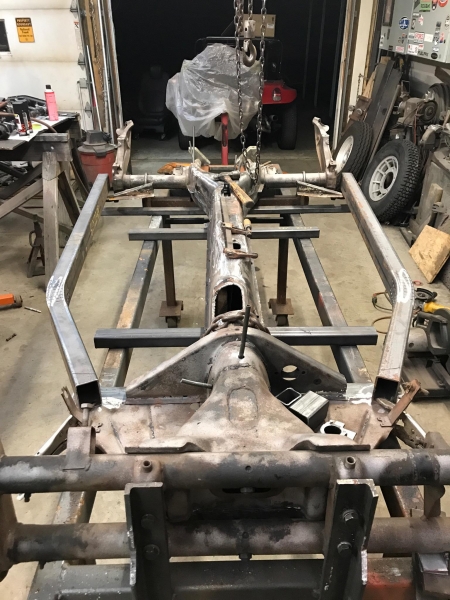
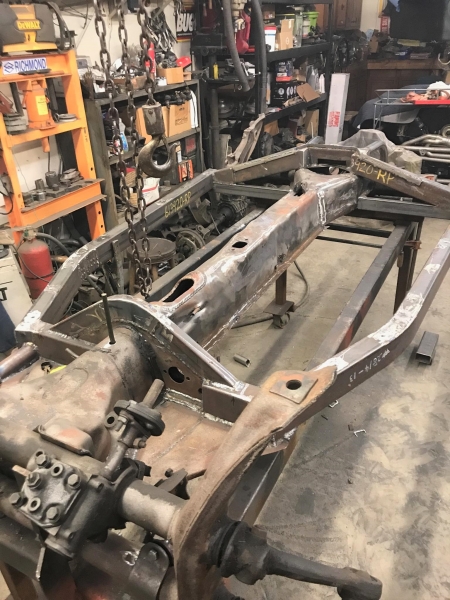
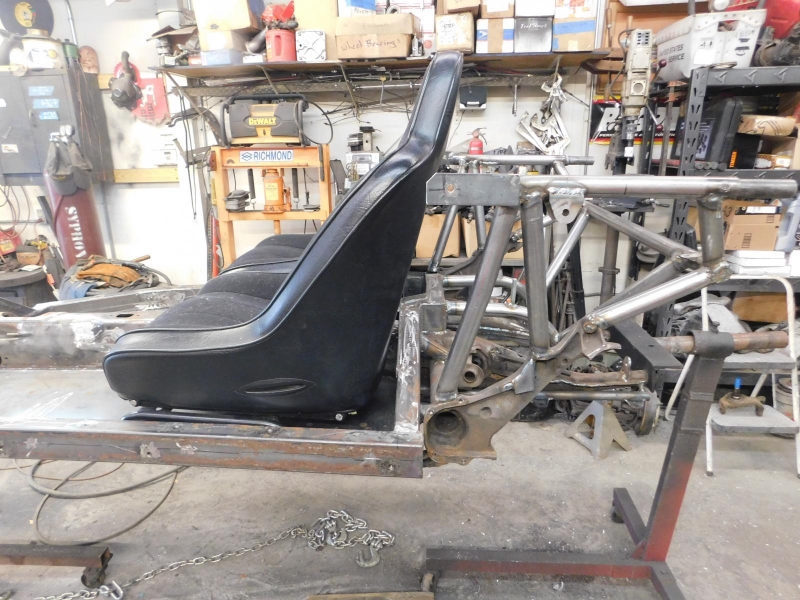
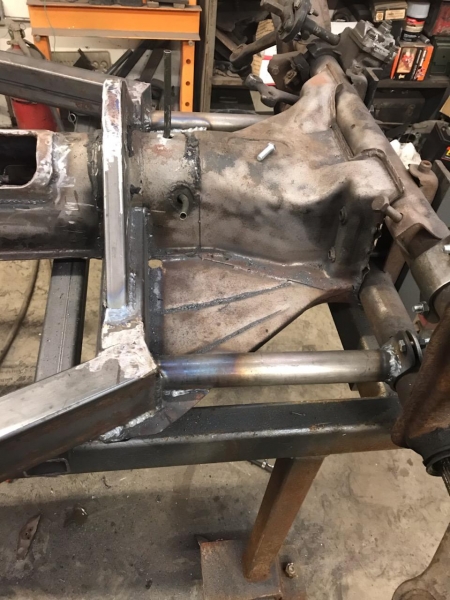
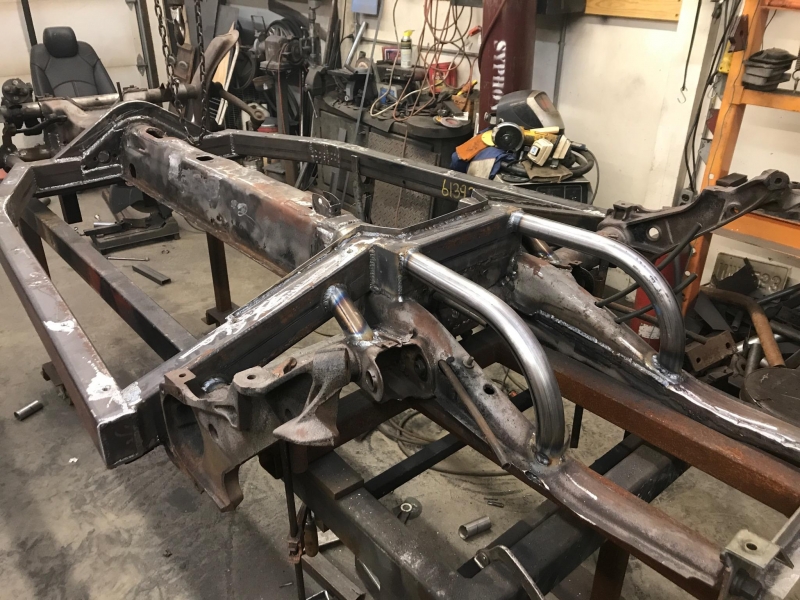
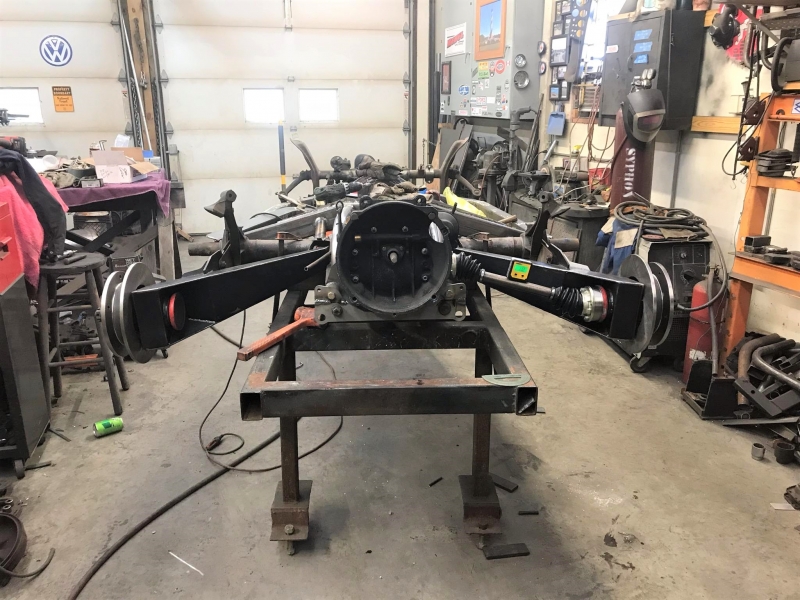
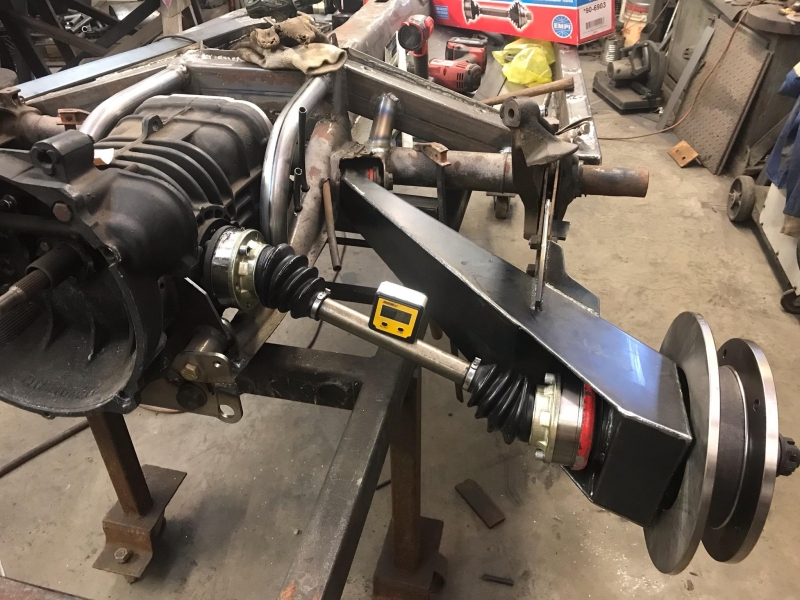
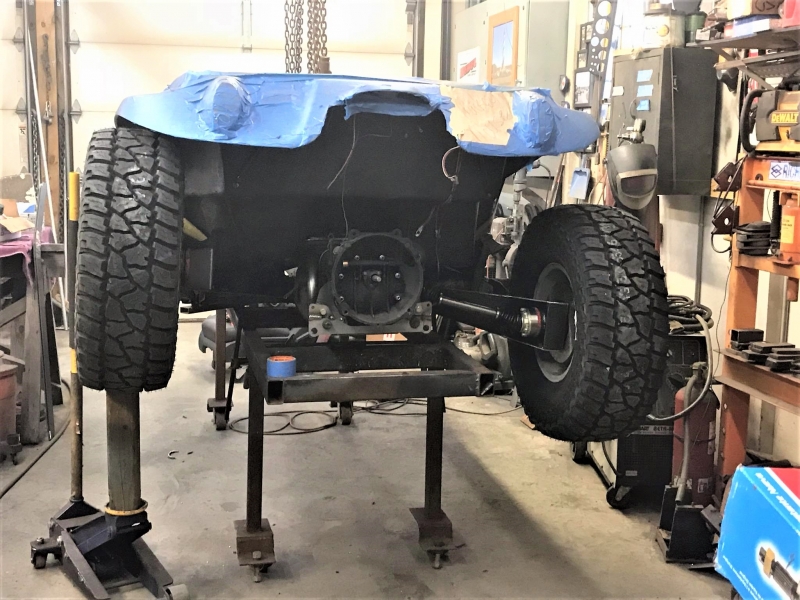
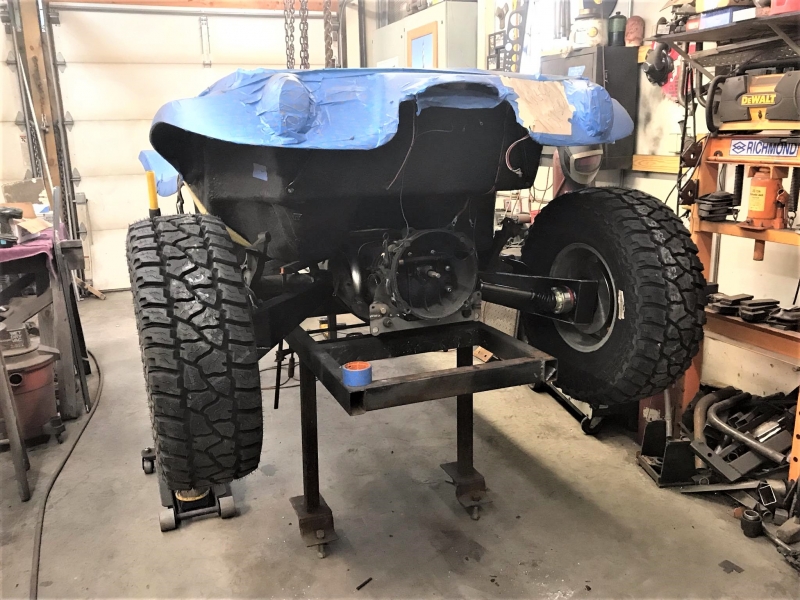
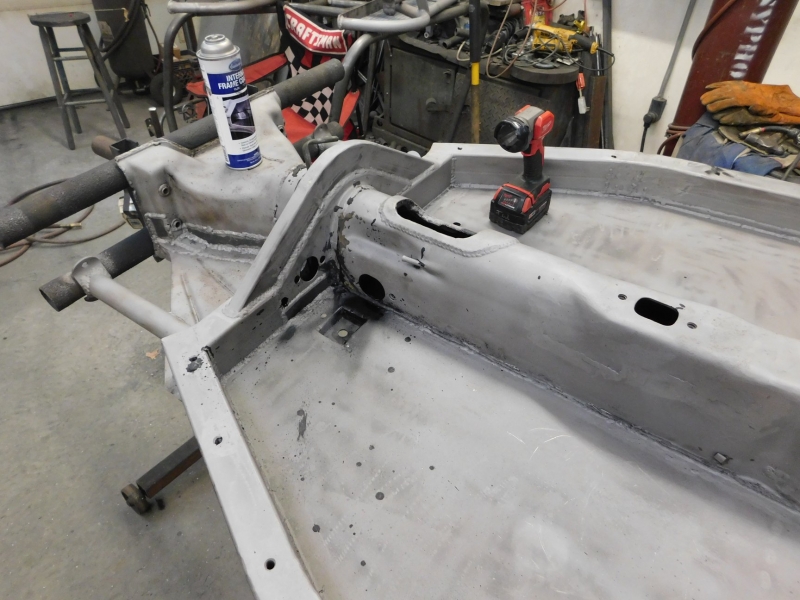
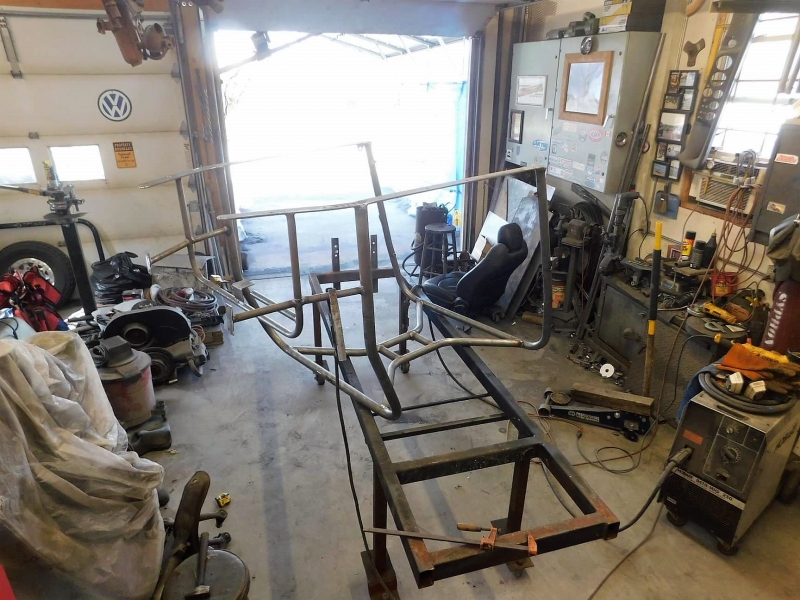
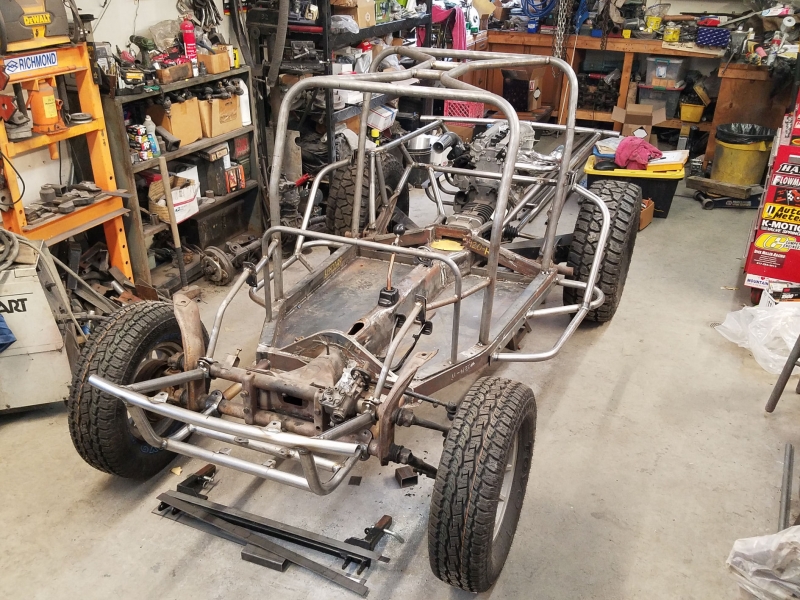
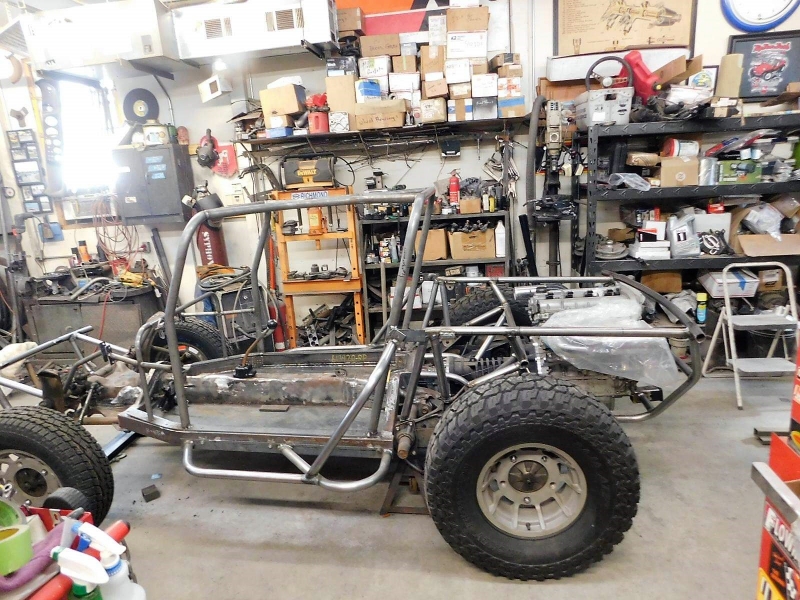
As fate would have it, five short years after the restoration was completed, it was time to initiate the second rebuild of our dune buggy. Some will read this and look at the before and after pictures and wonder “why in the world” did they completely change a perfectly nice-looking Meyers Manx dune buggy again? The primary reason for this decision was to ensure, as much as possible, our safety while driving and riding in our little fantasy ship. Turns out that some of the restoration work and the initial chassis shortening on our dune buggy was beginning to fail and break and needed to be fixed or replaced immediately. In other words, this would be a complete chassis do-over. As the decision was made to fix our buggy underpinnings, it also seemed like the perfect time to consider “future-proofing” our buggy as we prepare for our retirement years.
I reached out to a proven and extraordinary fabricator, known to me as Dr. Hans Zarkov of the renowned Saint Albans Institute of Nifty Tricks (SAINT), aka Joe Wheeler. The planning took months of conversations before Dr. Zarkov, and I finalized the build direction.
The powertrain on most of our funny little cars is based on vintage air-cooled VWs. While the aftermarket still seems to be able to supply most anything you’d want or need, the NOS and used original VW parts market has tightened up. If you have any doubt, look at vendors’ increased prices for German-made VW parts at swap meets and on classified ad sites and as most hobbyists will admit, the quality of many aftermarket parts is suspect at best.
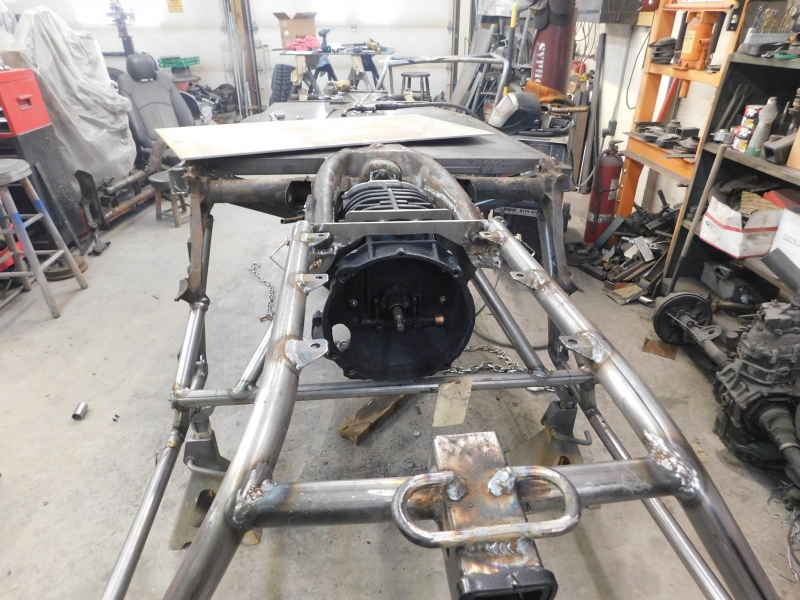
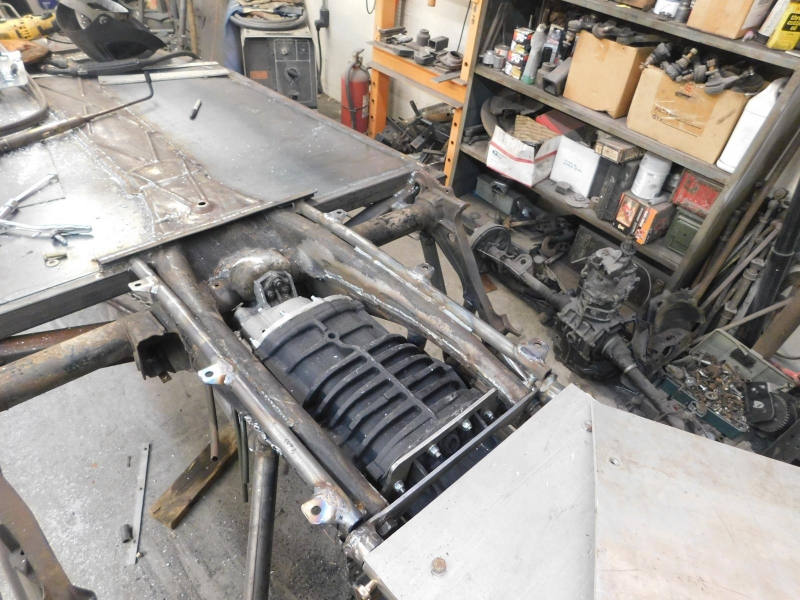
Being faced with the need to rebuild our buggy chassis and a waning desire to spend my limited spare time tweaking my VW engine, I started looking at options to retro-fit a modern engine into our newly rebuilt chassis.
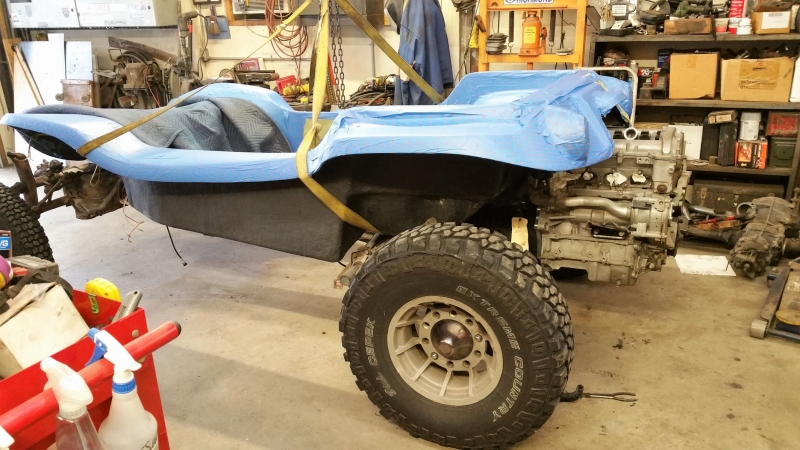
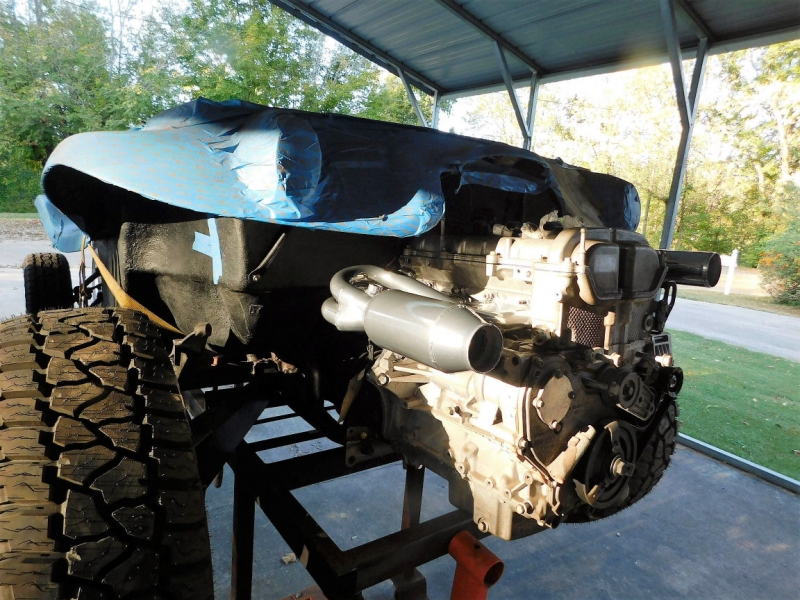
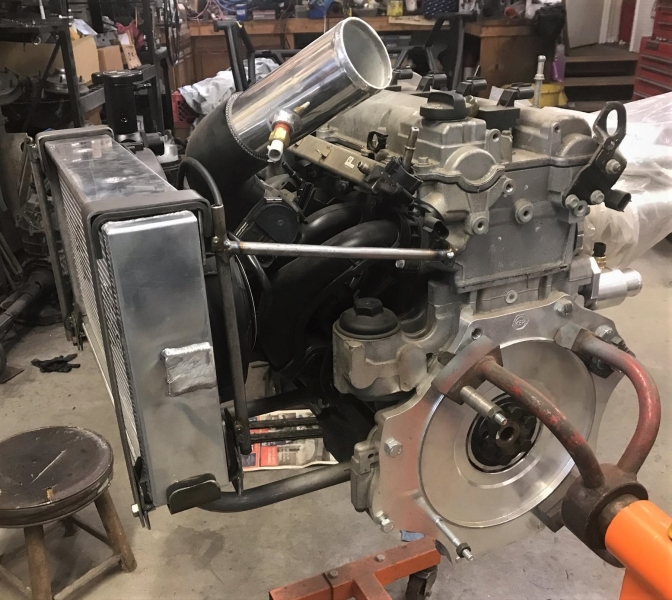
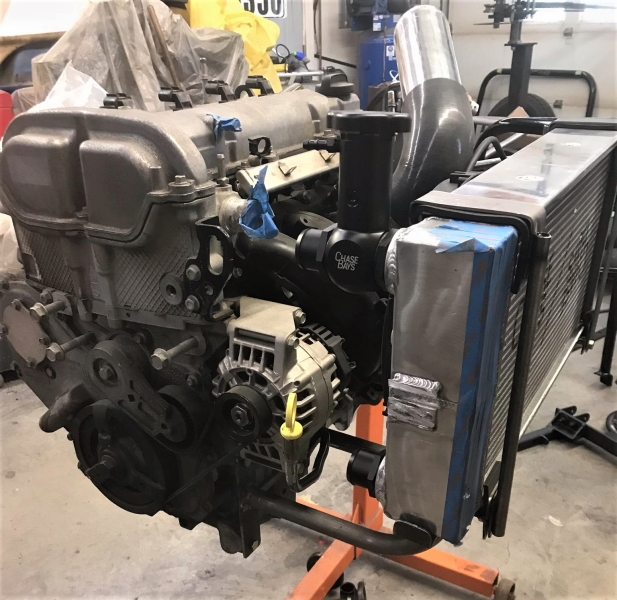
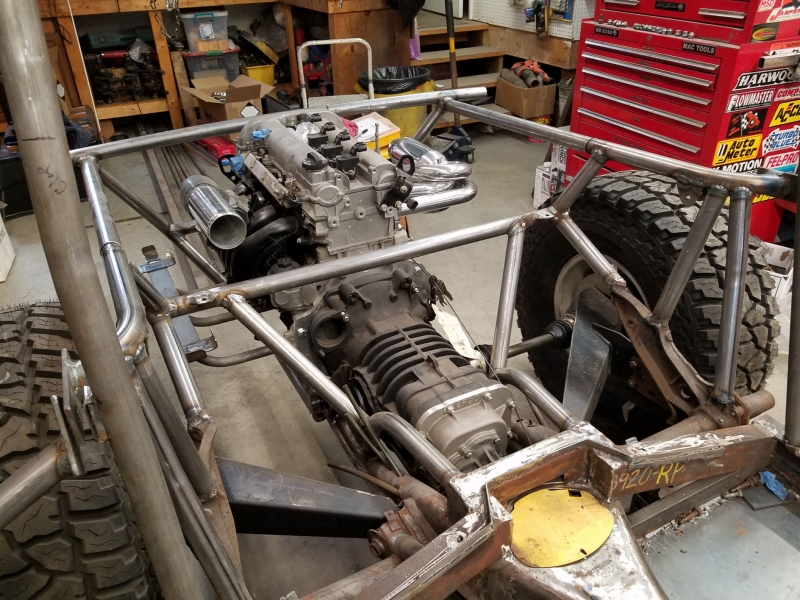
Subaru and GM Ecotec were the first two engine choices to come to mind. I found both of these power plants to have their mechanical pros, cons, and fervent fans based on my research. So what to do? Flip a coin? No. My decision was determined based on a financial and an experiential basis. The GM Ecotec engine got the nod and as it turned out, the parts sourcing, at least for the powertrain, was much more straightforward than for the chassis. A very satisfied former client of Dr. Zarkov’s was storing the necessary components in his garage. I was able to source a relatively fresh Ecotec engine and a zero mile (newly rebuilt Rancho) 091 VW bus transaxle. The plan was hatched.
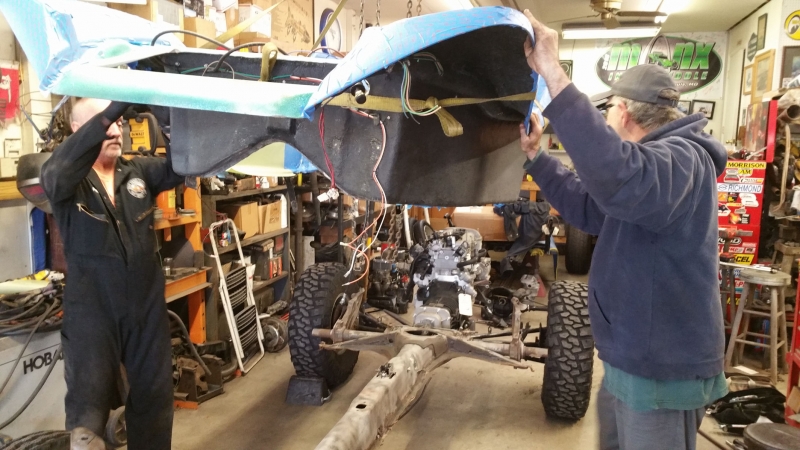
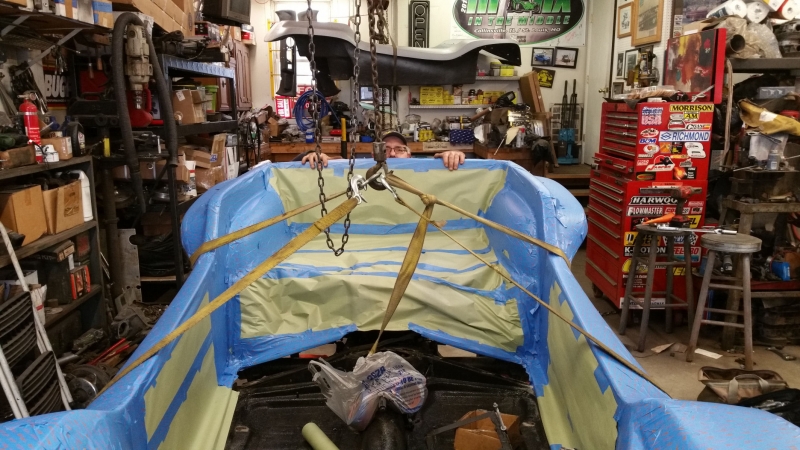
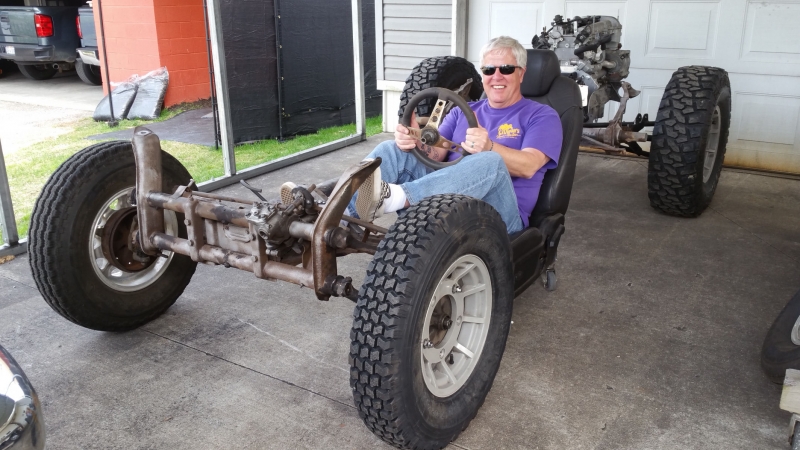
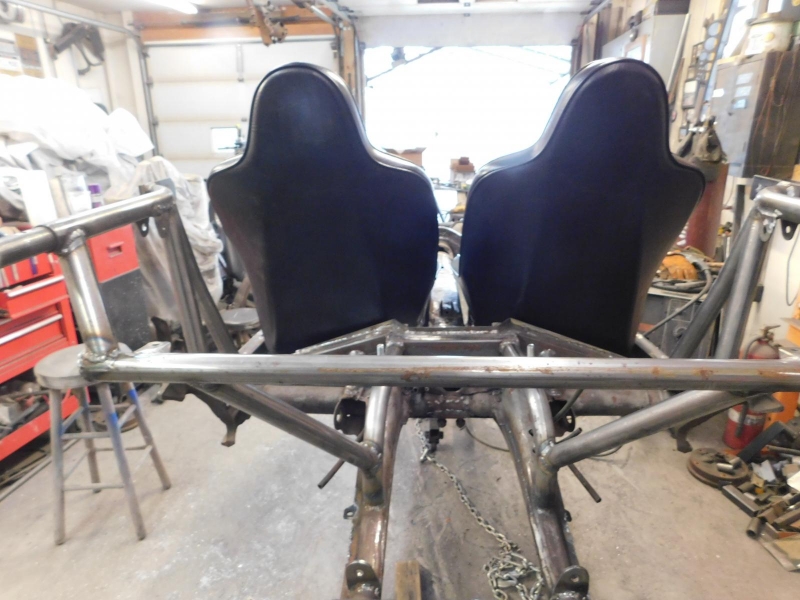
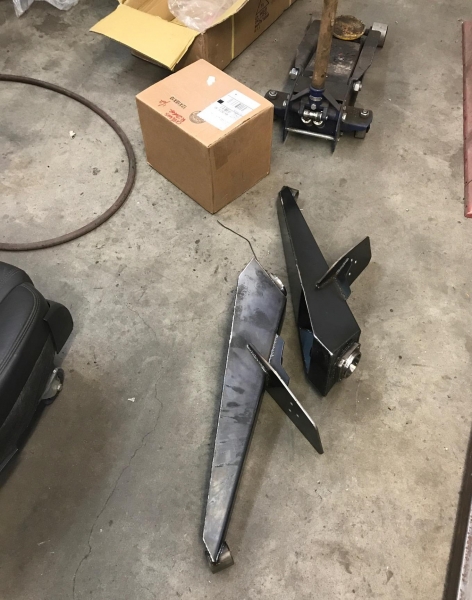
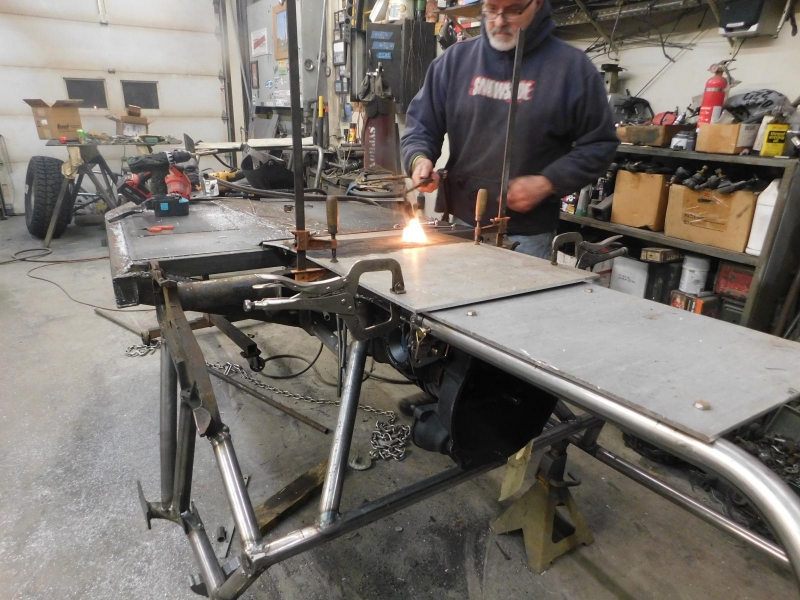
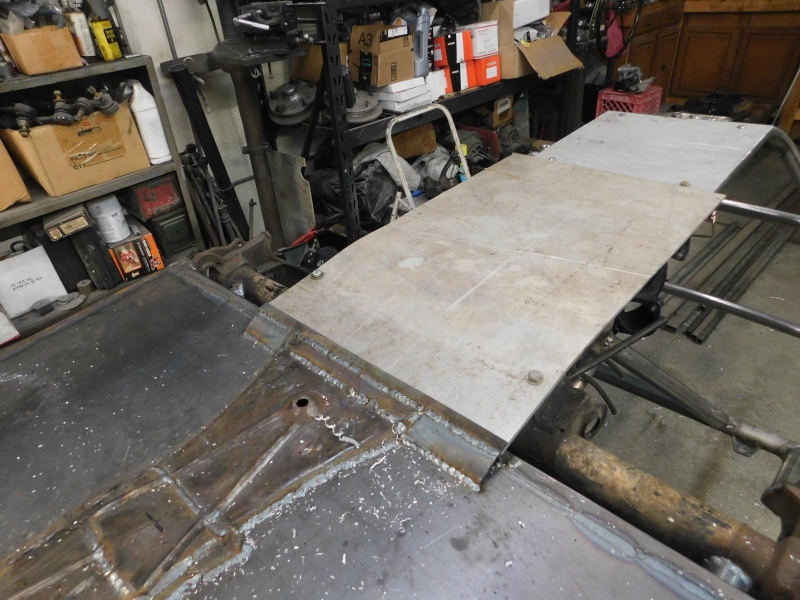
What you'll see in this build thread is the months of blood, sweat, and (my) tears put in over this time by Dr. Zarkov. Enjoy.
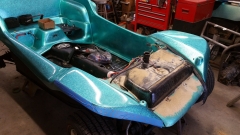
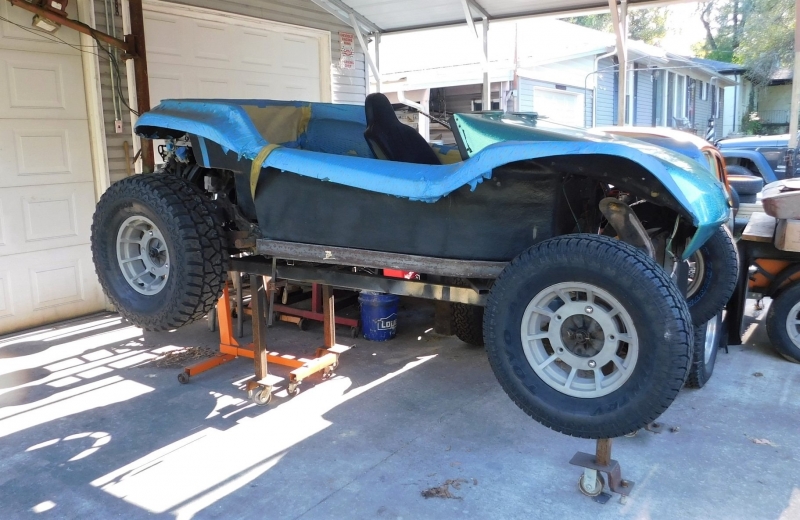
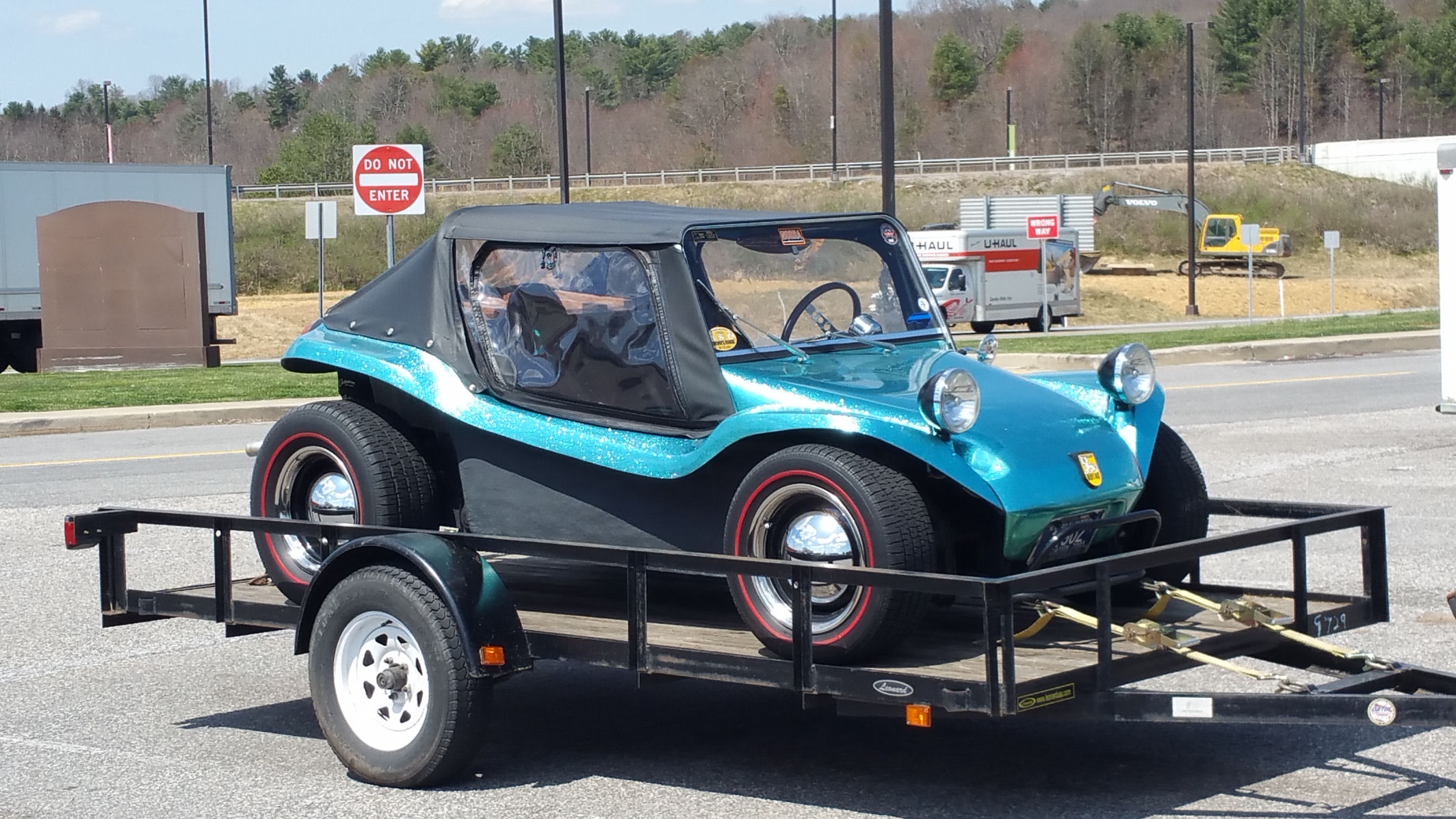
Here is the last picture of our buggy before it went "under the knife".
In the spring of 2004, my wife Sue and I made a life- changing decision to purchase a turn-key vintage Meyers Manx dune buggy and then join the Manx Club. It wasn’t long after the buggy arrived at our house that I began the planning process of how to rebuild it to “make it our own.” It would take us ten years to complete this plan.
As fate would have it, five short years after the restoration was completed, it was time to initiate the second rebuild of our dune buggy. Some will read this and look at the before and after pictures and wonder “why in the world” did they completely change a perfectly nice-looking Meyers Manx dune buggy again? The primary reason for this decision was to ensure, as much as possible, our safety while driving and riding in our little fantasy ship. Turns out that some of the restoration work and the initial chassis shortening on our dune buggy was beginning to fail and break and needed to be fixed or replaced immediately. In other words, this would be a complete chassis do-over. As the decision was made to fix our buggy underpinnings, it also seemed like the perfect time to consider “future-proofing” our buggy as we prepare for our retirement years.
I reached out to a proven and extraordinary fabricator, known to me as Dr. Hans Zarkov of the renowned Saint Albans Institute of Nifty Tricks (SAINT), aka Joe Wheeler. The planning took months of conversations before Dr. Zarkov, and I finalized the build direction.
The powertrain on most of our funny little cars is based on vintage air-cooled VWs. While the aftermarket still seems to be able to supply most anything you’d want or need, the NOS and used original VW parts market has tightened up. If you have any doubt, look at vendors’ increased prices for German-made VW parts at swap meets and on classified ad sites and as most hobbyists will admit, the quality of many aftermarket parts is suspect at best.
Being faced with the need to rebuild our buggy chassis and a waning desire to spend my limited spare time tweaking my VW engine, I started looking at options to retro-fit a modern engine into our newly rebuilt chassis.
Subaru and GM Ecotec were the first two engine choices to come to mind. I found both of these power plants to have their mechanical pros, cons, and fervent fans based on my research. So what to do? Flip a coin? No. My decision was determined based on a financial and an experiential basis. The GM Ecotec engine got the nod and as it turned out, the parts sourcing, at least for the powertrain, was much more straightforward than for the chassis. A very satisfied former client of Dr. Zarkov’s was storing the necessary components in his garage. I was able to source a relatively fresh Ecotec engine and a zero mile (newly rebuilt Rancho) 091 VW bus transaxle. The plan was hatched.
What you'll see in this build thread is the months of blood, sweat, and (my) tears put in over this time by Dr. Zarkov. Enjoy.
Here is the last picture of our buggy before it went "under the knife".